You paid for new gutters, had someone from Mighty Moose Gutter Services measure, cut, and install, and now you want the work to be protected for as long as possible. Warranties matter. They turn a one-time purchase into long-term peace of mind. Yet the fine print, installation choices, and maintenance habits determine whether you actually get that protection or watch a claim evaporate. Below I lay out practical, field-tested steps to extend and preserve warranty coverage for gutter services in Rigby ID, based on years of repairs, homeowner conversations, and a few lessons learned the hard way.
Why extending a warranty is worth the trouble
A typical gutter replacement in eastern Idaho can run from several hundred to a few thousand dollars, depending on material, complexity, and roofline. A warranty adds value beyond the sticker price. It reduces out-of-pocket risk for defects, gives leverage when workmanship issues show up, and maintains property value if you sell. In Rigby ID, where spring snowmelt, summer storms, and fall leaves combine to stress gutters, a five-year warranty can easily save you multiple service calls. Extending that warranty by a few years is often a cost-effective hedge.
Common warranty types and how they differ
Manufacturers usually offer material warranties that cover corrosion, paint failure, or seam splits. Installers, such as local providers including Mighty Moose Gutter Services, offer labor or workmanship warranties that cover improper slope, unsecured hangers, or incorrect downspout placement. These two warranties overlap but are distinct. Material warranties are tied to the product and often transferable with conditions. Workmanship warranties are tied to the installer and typically nontransferable or limited if the owner makes modifications.
The key point is this: extending your protection means managing both sides, product and installation, and keeping the documented chain of care intact.
Before the job: negotiate warranty terms upfront
Most homeowners sign a contract without truly negotiating warranty length or coverage. Ask directly how long the workmanship warranty lasts, whether it covers removal and reinstallation, and what triggers a denial. If the contractor offers a standard two-year labor warranty, ask for three or five years. Some contractors will extend warranty length if you agree to annual maintenance plans or use specific materials they recommend. Be clear on exclusions, such as damage from ice dams, acts of God, or clogged gutters.
Click to find out moreA specific negotiation tactic that works in Rigby: offer to prepay a small portion of the job in exchange for a longer workmanship guarantee. Many local companies will add a year or two for a refundable holdback they return if no claims are made within a given period. This aligns incentives. If Mighty Moose Gutter Services quotes a standard three-year labor warranty, ask whether a one-time maintenance subscription will extend that to five.
Choose materials with transferable warranties
Aluminum, steel, and copper each carry different manufacturer warranties. Aluminum often comes with 20 to 40 year warranty windows for paint and corrosion, though topcoat warranties vary. Copper ages differently and often has long material guarantees, but installers sometimes exclude natural patina changes. If you plan to remain in the house for many years, choose materials whose manufacturer warranty is transferable to a new owner, and make sure the transfer is documented at the time of sale.
When suppliers offer a limited lifetime warranty, verify whether lifetime refers to the purchaser or the product lifetime. Request the manufacturer's warranty document and put it with your job records. Keep serial numbers or batch codes if they are provided. If the installer uses branded gutters from a specific manufacturer, ask whether they register the product with the manufacturer on your behalf. Registration often matters for later warranty claims.
Document the entire project
Paperwork wins warranty disputes. Before installation begins, take photos of your old gutters, problem spots on fascia and soffit, and the roofline. Keep the contract, material invoices, and the scope of work in a labeled folder. After installation, photograph the new system from multiple angles and make a short video pointing out model numbers, downspout connections, and fastener types. If Mighty Moose Gutter Services or any contractor does a pre-job inspection, get the findings in writing. If they perform a final walk-through, confirm any punch-list items in a signed or emailed statement.
Register warranties promptly. Manufacturers sometimes require registration within 30 or 60 days. Failure to register can void the warranty or make a claim process slower. If the installer does registration for you, request a copy of the registration confirmation. Put all warranties in digital form and back them up in cloud storage.
Maintain gutters on a schedule and keep receipts
Most workmanship warranties require reasonable maintenance. Reasonable does not mean perfect. It means regular clearing of debris, seasonal inspections, and prompt repair of damage from external causes when they occur. In Rigby ID, at a minimum, plan for a cleanout in late spring and again in late fall. If you have overhanging trees, add a midsummer check. If you hire a local contractor for maintenance, keep receipts and ask the contractor to note that the work was performed in accordance with the original installer's guidelines.
Track maintenance with a simple log: Gutter Services in Rigby ID date, what was done, and who did it. The log helps when a warranty inspector asks whether you neglected the system. A documented maintenance history has saved homeowners hundreds of dollars when a contractor initially denied a warranty claim.
Three actions that often extend a labor warranty
- enroll in a maintenance plan with the installer. Many companies will extend labor warranty length by one or two years if you sign up for annual cleanings. accept manufacturer-approved repairs only. If a third party makes changes that conflict with the original details, the installer may void the workmanship warranty. agree to water management upgrades that prevent predictable issues. For example, adding splash blocks or extending downspouts to a specified distance from foundation reduces hydrostatic pressure, and some companies will extend warranty coverage once you complete those measures.
Know what voids warranties and how to avoid it
Most warranties include explicit voiding conditions. Common causes include improper DIY modifications, installation of incompatible accessories, paint applied by nonapproved contractors, and attempts to clear blockages with tools that damage gutters. Winter ice dams are often excluded, so an installer may require that you manage roof ventilation and insulation to mitigate ice.
If a warranty states that damage from climbing on gutters will void coverage, don’t use your gutters as a ladder. If you plan winter-access work like mounting holiday lights, use temporary poles that attach to fascia or hire a pro. Keep written approval for any unusual use of the gutters. When in doubt, call the installer before making a change.
How to extend warranties with third-party options
If your installer cannot or will not extend a warranty, third-party protection plans exist. Home warranty companies and specialty gutter protection insurers offer add-ons that cover labor and repair beyond the original warranty. These plans vary in cost and coverage limits. Read them carefully: some will cover labor but cap material reimbursement, others will have long deductibles and restrictive service networks.
Another route is a service contract with a local contractor, separate from the original warranty. These contracts — often annual — establish an ongoing relationship, documented maintenance, and priority scheduling. For many homeowners the peace of mind from paying a modest annual fee equals or exceeds the incremental benefit of extending a labor warranty.
Filing a warranty claim effectively
When a defect appears, act quickly and keep communication documented. Notify the installer and the manufacturer in writing and attach photos, the maintenance log, and copies of the original contract. Describe when the defect started and what other events occurred around that time, such as storms or ice buildup. If an inspector visits, be present and ask questions. If the installer denies the claim, request the denial in writing with specific reasons. That document can be crucial if you escalate the claim.
If the dispute becomes contentious, consider an independent assessment from a licensed roofer or building inspector that specializes in exterior water management. An impartial report that identifies a clear workmanship issue often persuades companies to honor warranties rather than risk a public dispute.
How Mighty Moose Gutter Services can fit into your warranty strategy
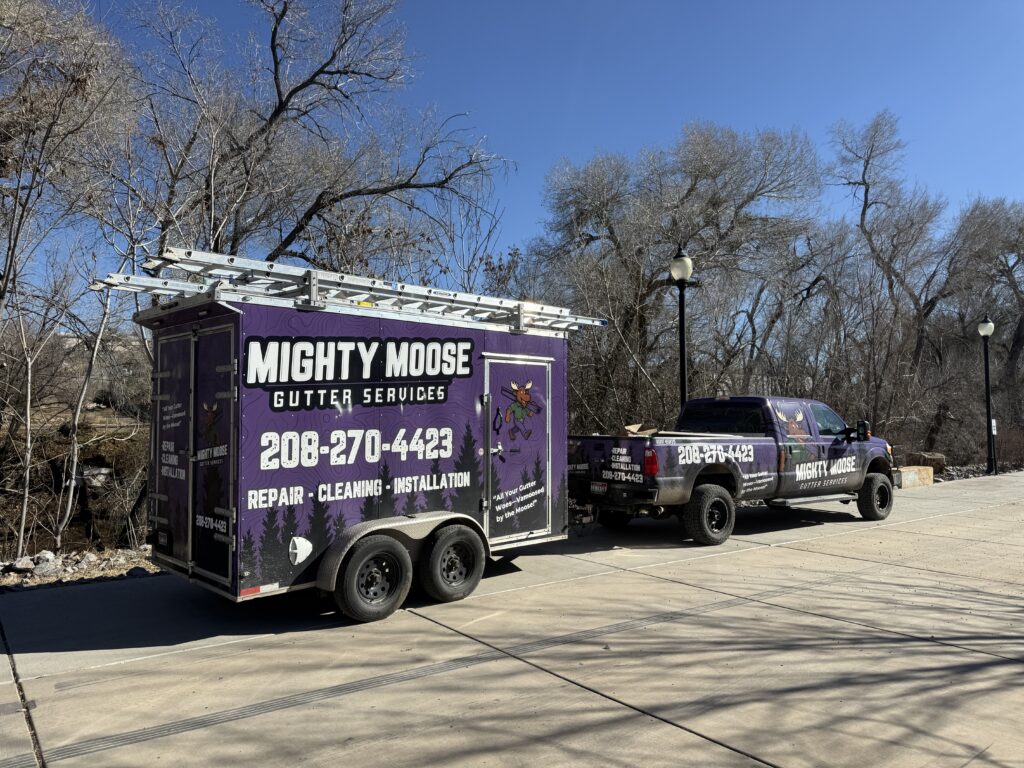
Local providers such as Mighty Moose Gutter Services understand Rigby ID weather patterns and common problem spots. They often offer bundled maintenance plans that extend workmanship warranties. If you already used Mighty Moose, ask for a written upgrade path to extend labor coverage. If you are choosing a contractor, prioritize those who are willing to put warranty extensions in writing in exchange for an annual inspection or maintenance subscription.
When interviewing contractors, ask these precise questions: What is the length of the workmanship warranty, and how many years can it be extended? Which actions will void the warranty? Do you register manufacturer warranties, and will I receive documentation? Are there examples of warranty claims you denied in the past year, and why? Contractors that answer with specific examples signal experience and transparency.
Small investments that pay off
Extending a warranty often requires minor upfront commitments that have outsized benefits. A prepaid maintenance plan, a holdback negotiated at signing, or agreeing to manufacturer-approved fasteners and hangers may increase protection by multiple years. If the installer offers to extend coverage in exchange for documented annual cleanings, the annual cost often runs well below the expense of a single major repair. Think of it as insurance for something you can control: regular care and clean documentation.
Realistic trade-offs to consider
Extended warranty coverage is not free. You may pay a premium, commit to annual maintenance, or accept certain accessories only from the installer. Those trade-offs matter when you compare options. If you plan to sell the house soon, buyer transferability rules might be more important than an extended labor warranty tied to the original owner. If you plan to stay for many years, extended labor protection will be more valuable. Copper gutters with a long manufacturer warranty cost more initially but may reduce long-term material claims. Choose based on your time horizon and appetite for upfront spending.
A quick checklist to follow after installation
- register the manufacturer warranty within any required window and request confirmation. document the as-installed condition with photos and a short video, and file digitally. enroll in any maintenance plan that extends workmanship coverage, and save each service receipt. ask the installer for the exact conditions that would void coverage and get those in writing. schedule the first follow-up inspection within 12 months and set a recurring reminder.
When to escalate beyond the installer
If the installer refuses to honor a clear workmanship warranty and independent assessment supports your claim, you have options. File a complaint with local consumer protection agencies, and if the installer is licensed, contact the licensing board. For contractors who are members of trade organizations, a complaint to the organization can prompt mediation. Small claims court is another pathway when dollar amounts are modest. Record-keeping and independent inspection reports strengthen your case.
Practical closing advice
Warranties are a contract between you, the installer, and the manufacturer. Treat them like any legal commitment: read carefully, document everything, and choose options that match your risk tolerance and plans for the property. In Rigby ID’s variable climate, a little proactive work — registration, maintenance, and clear written agreements — often extends protection quietly but materially. If Mighty Moose Gutter Services or any local company offers a sensible extension in exchange for documented upkeep, weigh the modest extra cost against the likely savings from avoided repairs. With the right paperwork and routine care, your gutters will protect your home and your wallet for many seasons.
Mighty Moose Gutter Services
243 N 2nd W Rigby ID 83442, United States
+1 (208) 270-4423
[email protected]
Website: https://mightymoosegutter.com